
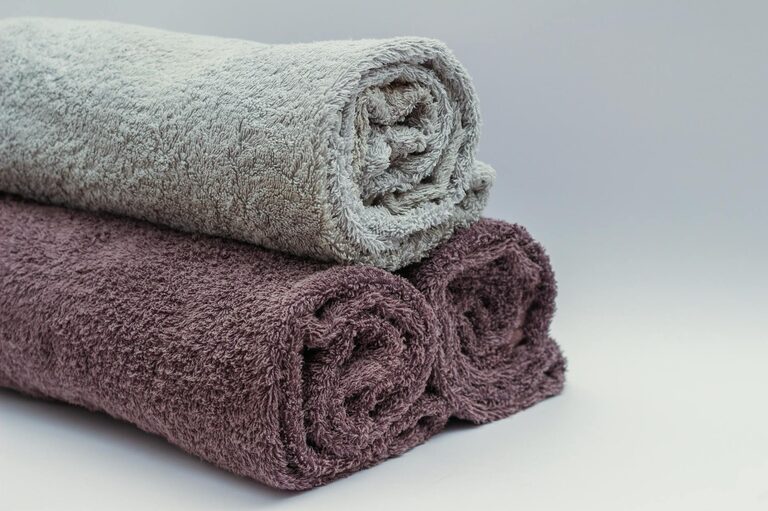
Keeping towels fresh and fluffy can make a big difference in your daily comfort. Soft, fluffy towels not only feel great against your skin but also create a spa-like experience right at home. However, repeated washing and use can cause towels to become rough, stiff, or develop unpleasant odors. Don’t worry—there are simple habits and tricks to keep your towels looking and feeling their best. Here are some practical tips to help you maintain fresh and fluffy towels after every wash.
Why Towels Lose Their Freshness and Fluffiness
Before diving into the tips, it helps to understand what causes towels to lose softness and freshness:
– Detergent buildup: Excess detergent residue can make towels stiff.
– Hard water: Minerals in hard water can build up in fibers, reducing fluffiness.
– Overdrying: Heat from dryers can damage fibers and make towels rough.
– Improper washing: Using too much detergent or washing towels with certain fabrics can affect texture.
– Lack of drying: Damp towels foster mildew and odor.
Understanding these causes can make it easier to prevent them.
1. Use the Right Amount of Detergent
One of the most common mistakes is using too much detergent. More detergent doesn’t mean cleaner towels; it often leaves residues that trap dirt and make towels stiff.
– Use the recommended amount on the label.
– For high-efficiency machines, less detergent is usually needed.
– Consider using a detergent formulated for delicate fabrics or one gentle on colors and fibers.
2. Avoid Fabric Softeners and Dryer Sheets
While fabric softeners and dryer sheets make clothes feel soft temporarily, they can actually coat towel fibers, reducing their absorbency and causing stiffness over time.
Instead, try these alternatives:
– Use white vinegar in the rinse cycle (1/2 to 1 cup). Vinegar helps remove detergent residues and softens fibers naturally.
– Add a half cup of baking soda to the wash to boost cleaning and deodorize.
3. Wash Towels Separately
Washing towels alone helps prevent lint transfer and damage from zippers or buttons on other clothes. It also allows the towels to move freely for thorough cleaning.
– Avoid mixing towels with heavy items that may snag the fabric.
– Wash white and colored towels separately to preserve color brightness.
4. Choose a Proper Washing Cycle and Water Temperature
Most towels do well with a warm water wash, which helps remove oils and dirt without damaging fibers. Consult your towel’s care label to confirm.
– Use a regular or heavy-duty cycle for better agitation.
– Avoid using cold water exclusively as it may not clean towels thoroughly.
– Occasionally washing with hot water can disinfect and remove buildup.
5. Thoroughly Dry Towels, but Avoid Overdrying
Drying towels completely prevents mildew and odor buildup. However, overdrying in the dryer can make towels stiff and rough.
– Dry towels on medium heat.
– Remove towels promptly when drying is done.
– If line drying, give towels a good shake before hanging to help loosen fibers.
– To restore fluffiness after line drying, tumble dry for 10-15 minutes.
6. Use Dryer Balls to Boost Fluffiness
Wool or rubber dryer balls help separate towels in the dryer, improving air circulation, reducing drying time, and softening fibers.
– Place 3-4 dryer balls with towels during drying.
– They are a natural alternative to dryer sheets.
7. Regular Deep Cleaning to Remove Residue
Over time, detergents, minerals, and oils build up in towel fibers. A monthly deep clean helps keep towels fresh.
Try this method:
– Wash towels with hot water.
– Add 1 cup white vinegar directly into the washer drum (no detergent).
– Follow with a second wash using 1/2 cup baking soda.
– Dry towels as usual.
This combo removes residue and odors effectively.
8. Store Towels Properly
Proper storage keeps towels fresh between uses.
– Make sure towels are completely dry before folding and storing.
– Store in a well-ventilated, dry area.
– Avoid airtight containers that can trap moisture.
– For extra freshness, add a sachet with dried lavender or cedar chips.
9. Replace Towels When Needed
Even with the best care, towels eventually wear out. Thin, rough, or excessively stained towels should be replaced to maintain comfort and hygiene.
Signs it’s time to replace towels:
– Persistent smell after washing.
– Frayed edges and thinning fabric.
– Loss of absorbency.
Bonus Tips for Fluffy Towels
– Shake towels out before putting them in the washer to reduce tangling.
– Avoid ironing towels, as heat can flatten fibers.
– Occasionally sun-dry towels for a fresh scent and antibacterial effect.
—
Taking time to properly wash, dry, and store your towels makes a big difference in their softness and lifespan. By following these simple tips, you can enjoy fresh, fluffy towels every day without extra effort. Happy laundering!