
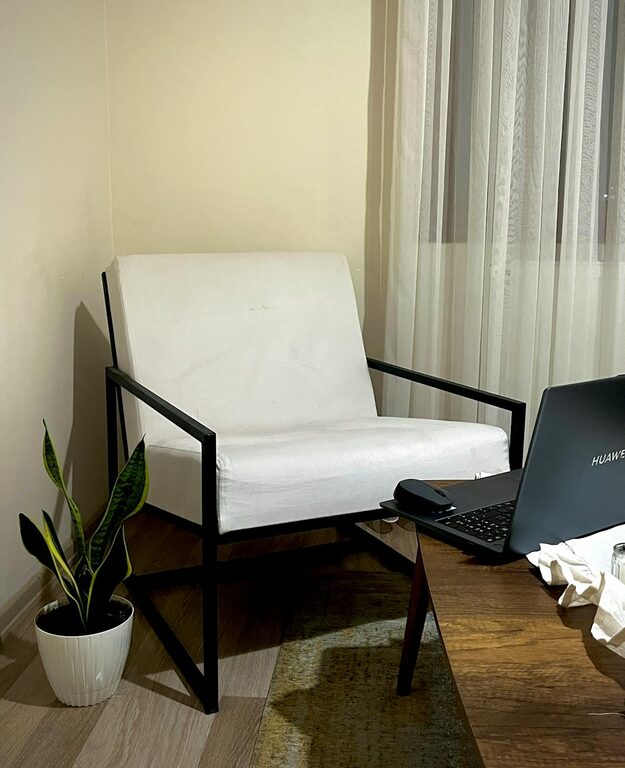
Creating a quiet and peaceful environment at home is important for relaxation, concentration, and overall well-being. Whether you live in a busy neighborhood or a bustling apartment building, unwanted noise can disrupt your daily life. The good news is that there are several simple and affordable ways to reduce noise in your home without major renovations. In this post, we will explore practical strategies to help you enjoy a calmer living space.
Understanding the Sources of Noise
Before you start reducing noise, it helps to identify where it’s coming from. Common sources include:
– Traffic noise from outside
– Neighbors in apartment buildings or shared walls
– Household appliances like fans, washing machines, or air conditioners
– Footsteps or voices inside the home
Once you know the primary sources, you can choose the most effective solutions.
1. Seal Gaps and Cracks
Small gaps around doors, windows, and walls let in a surprising amount of noise. Sealing these areas is an easy way to block outside sounds.
– Use weatherstripping tape around door frames.
– Apply caulk to seal cracks in window frames or walls.
– Install door sweeps to close gaps at the bottom of doors.
These inexpensive fixes can make a noticeable difference in reducing noise.
2. Add Soft Furnishings
Soft materials absorb sound far better than hard surfaces. Incorporating these into your home helps reduce echo and muffles noise.
– Use thick curtains or drapes over windows.
– Add area rugs or carpets to hardwood or tile floors.
– Arrange upholstered furniture like sofas and armchairs.
– Place cushions or throw pillows on chairs and couches.
These items not only enhance noise absorption but also make your home cozy and inviting.
3. Use Soundproofing Materials
If you want to take noise reduction a step further, consider using soundproofing materials. You don’t need professional installation for several DIY options.
– Acoustic panels can be mounted on walls to absorb sound.
– Foam strips or mats placed under appliances reduce vibration noise.
– Mass-loaded vinyl (MLV), when added behind drywall or under flooring, blocks noise transmission.
Many of these materials can be found online or at home improvement stores.
4. Rearrange Your Space Strategically
The way you arrange furniture can help block or buffer noise.
– Position bookshelves or large cabinets against shared walls to act as a sound barrier.
– Place seating areas away from noisy windows or doors.
– Use plants as natural sound absorbers—they can dampen noise and improve air quality.
Small adjustments in layout can reduce the impact of outside and inside noise.
5. Create Quiet Zones
If noise from certain areas is unavoidable, designate specific quiet zones in the home.
– Use rooms farthest from noise sources for studying or working.
– Add a door or soundproof curtain to separate loud spaces from quiet areas.
– Consider a white noise machine or fan to mask disruptive sounds, helping concentration or sleep.
Establishing quiet zones can improve your ability to focus and relax.
6. Maintain Appliances and Fixtures
Sometimes, household equipment amplifies noise if not properly maintained.
– Check and lubricate fans, air conditioners, and heaters to ensure quiet operation.
– Tighten loose screws or parts on appliances or furniture that might rattle.
– Replace worn-out or noisy components before they get worse.
Regular upkeep helps minimize noise generated inside your home.
7. Use Window Treatments Wisely
Windows are often a major source of noise infiltration.
– Double-glazed or laminated windows are effective but might require professional installation.
– For a budget-friendly option, use heavy curtains combined with window seals.
– Consider window inserts—removable panels fitted inside window frames that improve sound insulation.
Improving window soundproofing is one of the best ways to reduce outdoor noise.
8. Limit Noise-Producing Activities
Sometimes, simple lifestyle changes can reduce noise levels.
– Set rules about quiet hours, especially in shared living spaces.
– Use headphones for music or television instead of loudspeakers.
– Choose quieter appliances when replacing old ones.
Being mindful about noise helps create a more peaceful home environment.
—
Final Thoughts
Reducing noise at home doesn’t require expensive or complicated solutions. By sealing gaps, using soft furnishings, adding soundproofing materials, and adopting mindful habits, you can significantly cut down on unwanted sound. These changes not only improve your comfort but also contribute to better sleep, focus, and overall happiness. Start with a few simple steps today and transform your home into a calm and quiet retreat.
—
Feel free to share your favorite noise reduction tips in the comments below!